Source Lotion Dispensing Machine for Cosmetics, Disinfectors, and Lotions
Compare 30 available lotion dispensing machine options from Ningbo and China suppliers. Buyers can evaluate models like WL-LP033H and LP-22, featuring PP plastic, various nozzle sizes, and customization options for safe export packaging; compare the available evidence and request quotations based on your requirements.
Key considerations
Products List


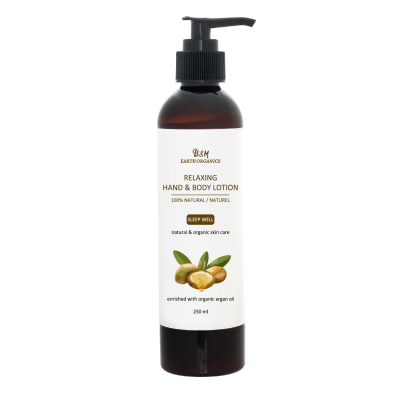

$0.04 - $0.05
Moq: 10000


Comprehensive Sourcing Guide
Lotion Dispensing Machine Sourcing Guide
Sourcing the correct lotion dispensing mechanism requires a clear understanding of the mechanical interface between the pump head and the container neck finish. Buyers must first identify the specific thread standard required for their packaging, as mismatches here are the most common cause of assembly failure. The observed market data indicates a strong prevalence of 24/410 and 28/410 thread standards, which are industry norms for cosmetic and personal care bottles. Verifying that the selected pump matches the bottle’s neck finish is the foundational step in the procurement process. Without this alignment, even a high-quality pump will fail to seal or dispense correctly, leading to product leakage and consumer dissatisfaction.
Beyond the thread standard, the material composition of the pump components dictates both durability and chemical compatibility. The available listings highlight the use of Polypropylene (PP) and plastic variants, which offer cost-effective solutions for a wide range of formulations. However, buyers should verify that the specific plastic grade is resistant to the active ingredients in their lotion, such as oils, alcohols, or acids. The presence of aluminum pumps in some models suggests options for premium aesthetics or enhanced barrier properties. Understanding these material distinctions allows procurement teams to balance budget constraints with the functional requirements of the final product, ensuring the dispenser performs reliably throughout the product’s shelf life.
Product Scope and Observed Listing Signals
The current market landscape for lotion dispensing machines reveals a diverse array of product types, primarily categorized by their dispensing action and form factor. Listings indicate a significant presence of lotion pumps and pump sprayers, each serving distinct user experience goals. Lotion pumps are typically designed for viscous products, offering a controlled, creamy output, while sprayers provide a finer mist or liquid column. The observed data also notes specific models like the WL-LP033H and LP-22, which may represent specialized designs for particular bottle shapes or dispensing volumes. Buyers should analyze these model codes to understand if they correspond to specific mechanical features, such as adjustable dosages or unique actuator shapes, rather than assuming all pumps are functionally identical.
Packaging and customization options are critical signals of supplier capability and flexibility. The observed listings show that suppliers offer safe export packing, often utilizing paper cartons with specific dimensions like 603238cm or 57.332.547cm. This standardization suggests that suppliers are experienced in bulk logistics, which is essential for maintaining cost efficiency during shipping. Furthermore, the availability of customization in color and shape indicates that buyers can align the dispenser’s aesthetic with their brand identity. Some listings mention specific colors like red or green, as well as square or solid cone shapes, allowing for visual differentiation on retail shelves. These signals help buyers assess whether a supplier can meet both functional and branding requirements simultaneously.
Technical Specifications to Verify
When evaluating technical specifications, the volume and dosage of the pump are paramount for product consistency. The observed data includes pumps with volumes under 30ml and specific dosage options of 1ml or 2ml. These figures are critical for ensuring that each pump actuation delivers the intended amount of product, which directly impacts consumer perception and product longevity. Buyers must verify the actual dispensed volume per stroke, as nominal ratings can sometimes differ from real-world performance. Additionally, the spraying shape, such as a liquid column or solid cone, affects the user experience and should be matched to the product’s viscosity and application method. Confirming these technical details through sample testing is a non-negotiable step in the qualification process.
The installation type and structural integrity of the pump also require close scrutiny. The listings specify internal threaded connections, which is a common and secure method for attaching the pump to the bottle. Buyers should verify the depth and diameter of the internal thread to ensure a tight fit that prevents loosening during transport or use. Furthermore, the size classification, such as small or medium, influences the overall height and profile of the dispenser. This is particularly important for products with limited shelf space or specific ergonomic requirements. Understanding these mechanical constraints helps buyers select a pump that not only fits the bottle but also meets the ergonomic and aesthetic standards of the target market.
Compliance and Safety Documentation
Compliance with international standards is a key factor in mitigating risk for global supply chains. The observed listings mention certifications such as SGS and ISO, which indicate that the supplier has undergone third-party verification for quality management systems and product safety. Buyers should request copies of these certificates to verify their validity and scope, ensuring they cover the specific products being procured. While CE marking is mentioned in the background data, its applicability depends on the target market and specific regulatory requirements. It is essential to confirm that the pump materials are compliant with relevant regulations for cosmetic packaging, such as restrictions on heavy metals or harmful chemicals, to avoid legal issues and product recalls.
Safety documentation also extends to the chemical compatibility of the pump components with the lotion formulation. Buyers must ensure that the supplier provides material safety data sheets (MSDS) or similar documentation for the plastics and metals used in the pump. This information helps assess the risk of leaching or degradation when the pump is in contact with the product over time. Additionally, verifying that the pump meets hygiene standards for direct contact with personal care products is crucial. By prioritizing suppliers with robust compliance documentation, buyers can protect their brand reputation and ensure that the final product meets all regulatory requirements in their destination markets.
Cost Drivers and Commercial Terms
Cost drivers for lotion dispensing machines are influenced by material choices, customization levels, and order volume. The observed price range of 0-500000 USD likely reflects the total value of large-scale orders rather than unit prices, highlighting the importance of understanding the Minimum Order Quantity (MOQ). Listings indicate MOQs ranging from 1 to 50000 pieces, with some specific models requiring 10000 pieces. Buyers should negotiate MOQs based on their forecasted demand, as lower MOQs may come with higher unit costs. Additionally, customization options, such as specific colors or shapes, can increase production complexity and cost. Understanding these variables allows buyers to forecast total landed costs more accurately and avoid unexpected expenses.
Commercial terms, including payment conditions and delivery timelines, are critical for cash flow management. The observed data mentions a production time of 25-30 days after receiving a deposit, which is a standard industry practice. Buyers should clarify the deposit percentage and the balance payment terms to ensure they align with their financial policies. Sample times of 4-6 days are also noted, which can be leveraged to accelerate the qualification process. Furthermore, the origin of the products, primarily Ningbo and Shanghai, suggests efficient logistics hubs for export. Buyers should consider these locations when calculating shipping costs and lead times, as proximity to major ports can reduce transit times and associated freight expenses.
Supplier Qualification and Quality Control
Supplier qualification begins with verifying their manufacturing capabilities and quality control processes. Buyers should assess whether the supplier has in-house molding and assembly facilities, as this ensures greater control over product consistency and lead times. The observed listings mention safe export packing and specific carton quantities, indicating an organized logistics operation. However, buyers must go beyond surface-level observations and request detailed quality control protocols, including incoming material inspection, in-process checks, and final random inspections. Suppliers who can demonstrate a structured QC system are more likely to deliver products that meet specified standards consistently, reducing the risk of defects in large orders.
Quality control also involves rigorous sample testing before mass production. Buyers should utilize the available sample times to test the pump’s functionality, durability, and compatibility with their specific bottle and formulation. Testing should include repeated actuation cycles to check for wear and tear, as well as leakage tests to ensure a secure seal. Additionally, buyers should verify that the supplier can maintain color consistency across large batches, especially for customized orders. By establishing clear quality benchmarks and conducting thorough sample evaluations, buyers can mitigate the risk of receiving substandard products and ensure that the final dispensing machine meets their performance expectations.
Long-Term Procurement Checks
Long-term procurement success depends on establishing a sustainable relationship with suppliers who can adapt to changing market demands. Buyers should monitor supplier performance over multiple orders, tracking metrics such as on-time delivery, defect rates, and responsiveness to issues. The observed production time of 25-30 days should be consistently met, and any deviations should be investigated and addressed promptly. Suppliers who demonstrate reliability and transparency are valuable partners who can support business growth. Additionally, buyers should stay informed about industry trends, such as new materials or sustainable packaging options, to ensure their sourcing strategy remains competitive and aligned with consumer preferences.
Continuous improvement in the supply chain also involves regular audits and feedback loops. Buyers should conduct periodic audits of supplier facilities to verify compliance with quality and safety standards. Providing constructive feedback on product performance and identifying areas for improvement can help suppliers enhance their offerings. Furthermore, buyers should diversify their supplier base to mitigate risks associated with single-source dependencies. By maintaining a proactive approach to supplier management and continuously evaluating performance, buyers can ensure a stable and efficient supply of lotion dispensing machines, supporting the long-term success of their product portfolio.
FAQs
What materials are used for lotion dispensing machines?
These machines are primarily constructed from plastic and PP materials to ensure durability and chemical resistance. The specific models often feature aluminum pumps for enhanced performance. This combination supports safe export packaging and meets various volume requirements for different liquid types.
Which specifications are available for these pumps?
Available specifications include various neck sizes such as 24/410, 28/410, and 24/400. Models like WL-LP033H and LP-22 offer different configurations. The products come in small, medium, and large sizes to accommodate diverse application needs for lotions and disinfectors.
Can I customize the color and design of the pump?
Yes, customization is available for colors including red, green, or any custom shade. Buyers can also select specific shapes like square or solid cone designs. This flexibility allows for branding alignment while maintaining the internal threaded connection required for installation.
What is the lead time for production and delivery?
Production typically takes 25 to 30 days after receiving the deposit. Samples are ready within 4 to 6 days for evaluation. Delivery options include shipping from Shanghai or Ningbo, ensuring efficient logistics for international orders while maintaining safe export packing standards.
What certifications do these products hold?
The products hold ISO certification and undergo SGS testing to ensure quality and safety. These standards verify the reliability of the plastic and PP materials used. Such certifications are essential for manufacturers supplying disinfectors and other liquids in regulated markets.
What is the minimum order quantity for these items?
The minimum order quantity is 10,000 pieces for standard orders. However, some listings may show lower MOQs depending on the specific supplier and model. Buyers should verify the exact requirement as it varies by product type and customization needs.
How are these pumps packaged for export?
Pumps are packed in paper cartons or export cartons designed for safe transport. Typical packing includes 1000 pieces per carton with dimensions around 60 by 32 by 38 centimeters. This ensures the products remain secure during shipping to global destinations.